
For years, Nigerian fintech founders have had to juggle five regulators, each with its own rulebook, bureaucracy, and way of saying “no.”
CBN. SEC. NITDA. FCCPC. NDPC. making it a hassle for fintech builders and founders to innovate.
That era might finally be coming to an end.
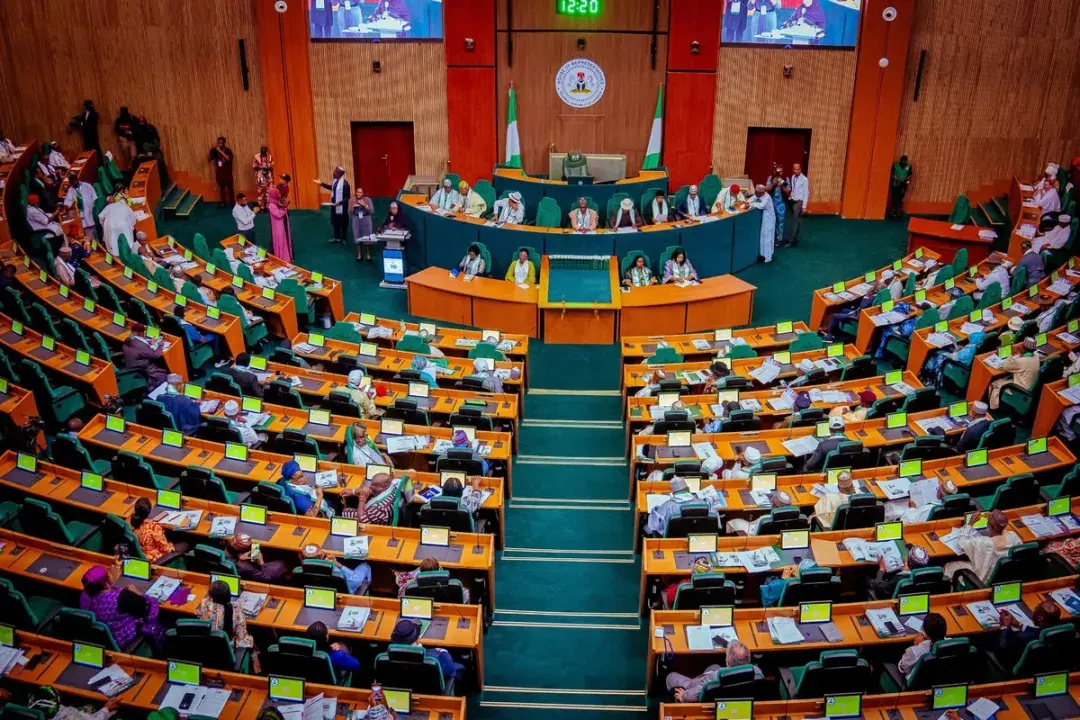
This week, lawmakers voted to establish the Nigerian Fintech Regulatory Commission (NFRC), a single body which will oversee everything from digital payments and lending to crypto, data protection, and consumer safety.
If signed into law, this could be the most significant policy reform in Nigeria’s fintech history.
A Major Shift in Nigeria’s Fintech Landscape
On October 28, 2025, Nigeria’s House of Representatives passed the Fintech Regulatory Commission Bill for its second reading, a key step toward unifying oversight of the country’s $1.13 billion fintech sector.
The bill, sponsored by Hon. Fuad Kayode Laguda (Lagos State), aims to simplify how fintechs are licensed, monitored, and protected.
“The current system with multiple regulators creates confusion,” Laguda said. “Nigeria’s fintech sector deserves dedicated oversight that both protects consumers and encourages innovation.”
If implemented, the NFRC will become the single authority responsible for licensing, compliance, dispute resolution, and cybersecurity standards, effectively replacing the patchwork of five agencies currently involved.
Why It Matters
Nigeria is home to over 430 fintech companies, up from just 255 in 2024 and accounts for 36% of all fintech investment in Africa.
Between 2020 and 2024, the country’s fintech sector attracted over $2.2 billion in investments, driven by a mobile-first population, a young tech-savvy workforce, and deep gaps in traditional banking.
In 2024 alone:
- ₦18 trillion in mobile money transactions were recorded, a 69% jump from 2023.
- POS terminals deployed nationwide doubled from 2.4 million to 5.5 million.
- The sector grew 70% year-over-year, underscoring its central role in Nigeria’s digital economy.
Yet, despite the growth, regulation has lagged, creating friction for founders and investors alike.
The Pain of Over-Regulation
Ask any fintech founder in Lagos, Asaba, or Port Harcourt, and you’ll likely hear the same complaint: regulatory fatigue.
One founder told Techsudor, “Every new product feels like walking through a maze. CBN says one thing, NITDA another, and SEC something completely different. It slows us down.”
Foreign investors echo the frustration. Multiple regulators mean multiple risks, and for startups looking to scale quickly, unclear compliance rules can deter funding.
The NFRC could change that.
If structured well, it promises:
- Clarity — one licensing body, one compliance system
- Speed — faster approvals and dispute resolution
- Safety — unified consumer protection standards
- Innovation — a sandbox for startups to test products under one umbrella
What the fintech regulator Will Do

According to the draft bill, the Nigerian Fintech Regulatory Commission will handle seven key mandates:
- Licensing – All fintechs will get approval from the NFRC, not five separate agencies.
- Setting Standards – Clear rules on cybersecurity, KYC, and consumer protection.
- Consumer Protection – Oversight to ensure transparency, fairness, and data security.
- Encouraging Innovation – Support for startups, including regulatory sandboxes.
- Managing Foreign Participation – Foreign players must comply with local inclusion rules.
- Dispute Resolution – The NFRC will mediate industry disagreements.
- Interoperability – Ensuring fintech systems and payment rails work together.
The commission will also have powers to issue and revoke licenses, investigate violations, and fine non-compliant operators.
What Happens Next
The bill has now been referred to the Committees on:
- Banking Regulations
- Digital and Electronic Banking
- Science and Technology
- Communications
If all goes well, committee reviews and Senate approval could take 6 to 12 months before reaching the President’s desk for signature.
Industry watchers are optimistic but cautious.
“We’ve seen good fintech policies die quietly in committee rooms,” one investor told Techsudor. “Execution will be everything. The NFRC must have teeth, independence, and strong leadership.”
Nigeria’s Fintech Dominance in Perspective
- Fintech companies (2025): 430+
- Market value (2024): $1.13 billion
- Projected value (2033): $4.24 billion
- Annual growth rate: 15.8%
- Investments attracted (2024): $2.2 billion
- Nigeria’s share of African fintech investment: 36%
- Share of African fintech deals: 47%
Nigeria leads the continent ahead of Kenya, Egypt, and South Africa in both deal volume and innovation pace.
But growth without structure has a limit.
The NFRC could be the framework that turns Nigeria’s fintech boom into a sustainable, globally trusted ecosystem.
The Bigger Picture
This isn’t just about regulation, it’s about rebooting how Nigeria supports innovation.
If done right, the Nigerian Fintech Regulatory Commission could:
- Reduce regulatory bottlenecks
- Build investor confidence
- Protect consumer data
- Position Nigeria as Africa’s fintech capital for the next decade
But if done wrong, it risks becoming yet another bureaucratic layer in an already complex system.
The coming months will reveal if this is the reform that finally gives Nigeria’s fintech space the clarity it deserves or just another headline that fades away.
“For years, Nigerian fintech founders have had five different teachers giving them five different assignments. The NFRC could finally bring one classroom, one rulebook, one voice.”
Read Also: https://techsudor.com/aniedi-udo-obong-on-policy-people-and-possibility/